PPC Advertising: The Complete Authority Guide to Predictable, Scalable Growth
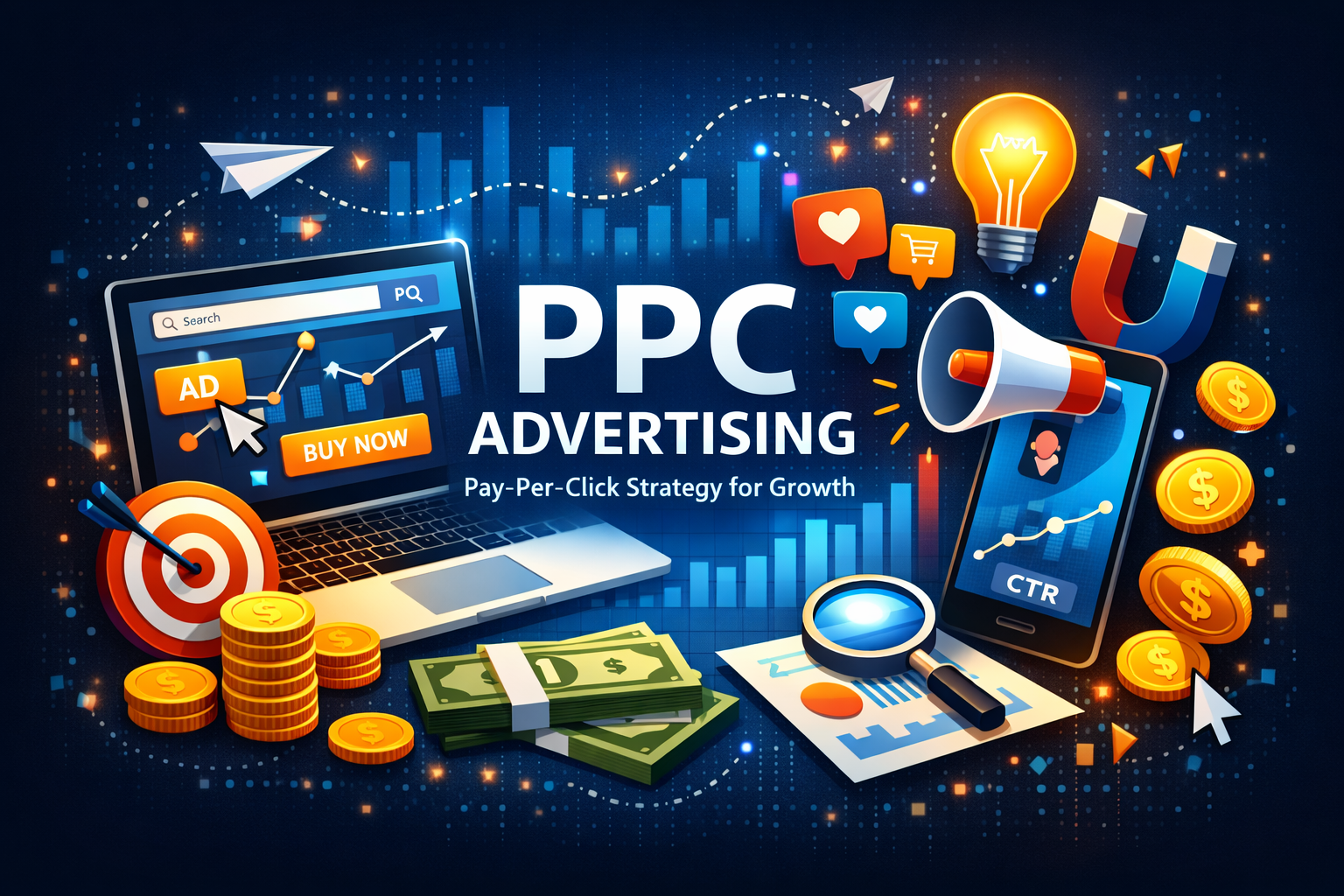
PPC (Pay-Per-Click) is a digital advertising model where advertisers pay a fee each time a user clicks their ad. But strategically, PPC is not just about paying for traffic — it is about buying attention at the moment of intent.
Rather than waiting months for organic rankings, PPC allows businesses to enter the market instantly through platforms like:
-
Google Ads
-
Meta Ads Manager
-
Microsoft Advertising
-
LinkedIn Ads
-
YouTube Ads
Each platform runs on auction-based bidding systems combined with algorithmic quality scoring.
But here is the strategic truth:
You are not buying clicks.
You are buying qualified intent.
And intent is the most valuable currency in digital marketing.
How the PPC Auction Actually Works
Pay-Per-Click (PPC) advertising is often misunderstood as a simple bidding war — whoever pays the most wins the best position.
That assumption is wrong.
Every time a user searches on Google, a highly sophisticated, real-time auction takes place in milliseconds. But the winner is not the advertiser with the highest budget. The winner is the advertiser with the best combination of bid, relevance, and experience.
In this authority-level guide, we will break down:
-
How the PPC auction actually works
-
What Ad Rank really means
-
Why Quality Score is your biggest competitive advantage
-
How smart advertisers outrank bigger competitors
The Millisecond Auction: What Really Happens
When a user types a query into Google:
-
Google scans all advertisers bidding on related keywords.
-
It filters out ads that are not eligible (policy issues, low quality, etc.).
-
It calculates a value called Ad Rank.
-
Ads are sorted based on Ad Rank.
-
Positions are assigned instantly.
This entire process happens in under a second.
Important:
Not every advertiser who bids on a keyword even enters the auction. Google first checks relevance and quality.
What Is Maximum Bid?
Maximum Bid is the highest amount you’re willing to pay for a click.
If you set a max bid of ₹50, you’re telling Google:
“I am willing to pay up to ₹50 for one click.”
However, you almost never pay your full bid.
Google uses a second-price auction model. That means you pay just enough to beat the advertiser below you — not your maximum bid.
So bidding ₹100 does not mean paying ₹100.
Understanding Ad Rank: The True Position Decider
Ad Rank determines where your ad appears on the search results page.
Conceptually:
Ad Rank = Maximum Bid × Quality Factors
This means:
-
A high bid with low quality can lose.
-
A moderate bid with high quality can win.
Ad Rank is recalculated every time someone searches. There is no fixed ranking.
Quality Score: Your Strategic Advantage
Quality Score is Google’s rating (1–10 scale) of how relevant and useful your ad is to users.
It directly impacts:
-
Your ad position
-
Your cost per click
-
Your campaign profitability
Higher Quality Score = Lower cost per click.
This is where strategy creates leverage.
Quality Score is based on three core components:
Keyword Relevance
Ad Relevance
Landing Page Experience
Let’s define each one clearly.
1. Keyword Relevance
Keyword relevance measures how closely your selected keyword matches what the user is actually searching.
If someone searches:
“Buy white running shoes online”
Highly relevant keywords:
-
“White running shoes”
-
“Men’s white sports shoes”
Low relevance keywords:
-
“Footwear”
-
“Clothes”
The more specific and aligned your keyword is to user intent, the better your relevance score.
Relevance improves performance because it ensures your ad appears only for highly targeted searches.
2. Ad Relevance
Ad relevance measures how closely your ad copy matches the keyword and search intent.
If your keyword is:
“Digital marketing course in Delhi”
A strong ad would say:
“Top Digital Marketing Course in Delhi – Enroll Today”
A weak ad would say:
“Learn New Skills Online”
The first directly matches the search.
The second is too generic.
When users see their exact search terms reflected in the ad, they are more likely to click. Google rewards that alignment.
3. Expected Click-Through Rate (Expected CTR)
Expected CTR is Google’s prediction of how likely users are to click your ad.
It is based on:
-
Historical performance
-
Competitor behavior
-
Account reputation
-
Ad structure
Actual CTR Formula:
CTR = (Clicks / Impressions) × 100
Higher expected CTR signals that your ad is valuable to users. Google prioritizes ads that users are likely to engage with.
4. Landing Page Experience
Landing page experience evaluates what happens after the click.
Google examines:
-
Does the page match the ad message?
-
Is the content useful and relevant?
-
Is the page fast-loading?
-
Is it mobile-friendly?
-
Is navigation simple and clear?
Example:
If your ad says:
“50% Off Nike Running Shoes”
But your landing page:
-
Shows all brands
-
Does not highlight discount
-
Is slow
That creates a poor experience.
Google penalizes advertisers who break user trust.
Why Higher Quality Score Reduces Cost
Here’s the strategic insight:
Google wants users to find helpful, relevant results.
If your ad improves user experience, Google rewards you.
A high Quality Score means:
-
You can outrank competitors who bid more.
-
You pay less per click.
-
You gain better visibility at lower cost.
This is why PPC is not a money game. It’s a relevance game.
The Competitive Advantage Formula
Winning PPC campaigns follow this structure:
Right Keyword
-
Highly Relevant Ad Copy
-
Strong Call to Action
-
Optimized Landing Page
= High Quality Score
= Higher Ad Rank
= Lower CPC
= Greater Profitability
This creates leverage.
Instead of increasing budget, you increase precision.
Strategic Implications for Advertisers
Most beginners focus only on:
“Should I increase my bid?”
Professionals focus on:
-
Search intent alignment
-
Message match
-
Conversion optimization
-
Landing page consistency
-
User experience
That’s why experienced marketers consistently outperform larger-budget competitors.
Why PPC Is a Strategic Growth Lever (Not Just a Traffic Tool)
Many businesses make a critical mistake: they treat Pay-Per-Click (PPC) advertising as a short-term traffic boost.
In reality, PPC is not a hack.
It is a strategic growth engine when used correctly.
It provides speed, control, measurable profitability, experimentation power, and long-term audience leverage — advantages that very few marketing channels can offer simultaneously.
Let’s define and break down the five strategic advantages in depth.
1️⃣ Immediate Market Entry
What It Means
Immediate Market Entry refers to the ability to appear in front of potential customers instantly — without waiting months to build organic rankings.
Unlike SEO, which requires time to build authority and backlinks, PPC ads can go live within hours.
Why It Matters
Speed creates competitive advantage.
This is critical for:
-
New product launches – You don’t have months to wait for traffic.
-
Limited-time offers – Promotions expire.
-
Competitive markets – Visibility equals survival.
-
Testing new niches – You need quick validation.
Strategic Impact
PPC allows businesses to:
-
Validate demand before heavy investment.
-
Capture early market share.
-
React quickly to trends.
In fast-moving markets, speed is leverage.
2️⃣ Controlled Targeting Precision
What It Means
Controlled targeting precision means you decide exactly who sees your ads.
Instead of broadcasting to everyone, you focus on high-probability buyers.
PPC Targeting Options Defined
You can target based on:
Search Intent
Showing ads only to people actively searching for your solution.
Example: Someone typing “buy running shoes online” has buying intent.
Demographics
Age, gender, income level, parental status.
Location
Country, city, radius targeting around a store.
Device
Mobile, desktop, tablet.
Interests
Users who have shown interest in specific topics.
Previous Website Behavior
Users who visited certain pages or interacted with your brand before.
Why This Is Powerful
Instead of spending money on low-probability audiences, you invest in high-intent segments.
Precision reduces waste.
Precision improves conversion rates.
Precision improves profitability.
3️⃣ Measurable and Scalable ROI
What It Means
PPC is fully trackable. Every click, lead, and sale can be measured.
Unlike traditional advertising (TV, print, billboards), you don’t guess performance.
You calculate it.
Key Metrics Defined
Cost Per Click (CPC)
How much you pay for each click.
Formula:
CPC = Total Spend ÷ Total Clicks
Cost Per Lead (CPL)
How much you pay to generate one lead.
CPL = Total Spend ÷ Total Leads
Cost Per Acquisition (CPA)
How much you pay to generate one paying customer.
CPA = Total Spend ÷ Total Conversions
Return on Ad Spend (ROAS)
Revenue generated per rupee spent.
ROAS = Revenue ÷ Ad Spend
Example:
If you spend ₹10,000 and generate ₹50,000 in revenue:
ROAS = 5x
Meaning ₹5 earned for every ₹1 spent.
Why This Creates Leverage
If a campaign produces predictable positive returns, scaling becomes rational.
You are not “spending more.”
You are investing in a repeatable profit system.
Few marketing channels provide this level of clarity.
4️⃣ Fast Testing Environment
What It Means
PPC is a real-time experimentation engine.
Instead of debating internally what works, you test it in the market.
What You Can Test
-
Different headlines
-
Different value propositions
-
Different offers
-
Different landing pages
-
Different audience segments
-
Different pricing strategies
Why Testing Is Strategic
Most businesses guess.
Professional marketers validate.
Example:
Headline A: “Affordable Digital Marketing Course”
Headline B: “Get Job-Ready in 90 Days”
Within days, you know which one converts better.
This reduces risk and improves decision-making speed.
PPC turns marketing into data science.
5️⃣ Audience Ownership Through Retargeting
What It Means
Retargeting (also called remarketing) allows you to show ads to users who previously interacted with your business.
These users have already shown interest.
You Can Retarget Users Who:
-
Visited your website
-
Viewed specific products
-
Watched your videos
-
Added products to cart
-
Clicked previous ads
Why Retargeting Converts Better
Familiarity reduces friction.
The first interaction builds awareness.
The second builds trust.
The third often triggers action.
Cold traffic requires persuasion.
Warm traffic requires reinforcement.
Retargeted audiences typically:
-
Convert at higher rates
-
Have lower acquisition costs
-
Generate stronger lifetime value
Strategic Insight
Traffic is rented.
Audiences are assets.
Retargeting turns one-time visitors into long-term buyers.
Types of PPC Campaigns & Strategic Architecture
A Professional Blog Module
Pay-Per-Click (PPC) advertising is not just about running ads — it is about building a structured acquisition system.
When executed correctly, PPC becomes:
-
A revenue engine
-
A data intelligence system
-
A scalable growth framework
This module explains both:
-
The major types of PPC campaigns
-
The professional architecture required to make them profitable
Part 1: Types of PPC Campaigns (Strategic Deep Dive)
Different campaign types serve different roles in the customer journey.
Understanding when to use each type separates beginners from performance marketers.
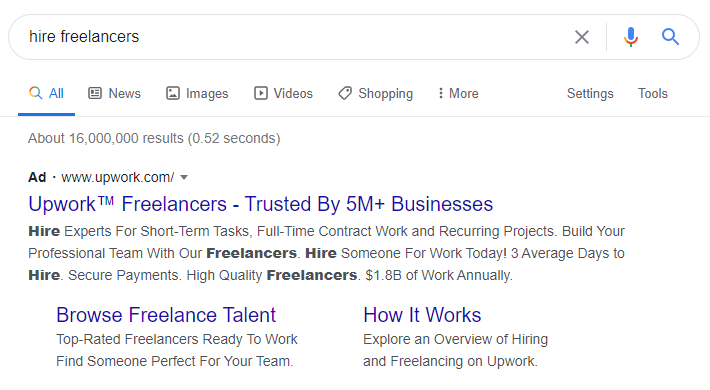
1. Search Ads – Capturing Active Intent
Why Search Ads Matter
Search ads capture users who are already looking.
This is called high-intent traffic.
Example queries:
-
“Hire digital marketing agency”
-
“Buy iPhone 15 online”
-
“Best CA in Delhi”
The user already has a problem.
Your ad provides the solution.
Strategic Use Cases
-
Service businesses (lawyers, agencies, consultants)
-
Local businesses
-
Emergency services
-
B2B lead generation
-
High-ticket offers
Key Advantage
Search campaigns often deliver:
-
Higher conversion rates
-
Better lead quality
-
Faster ROI
Search advertising is about demand capture.
2. Display Ads – Building Awareness & Retargeting
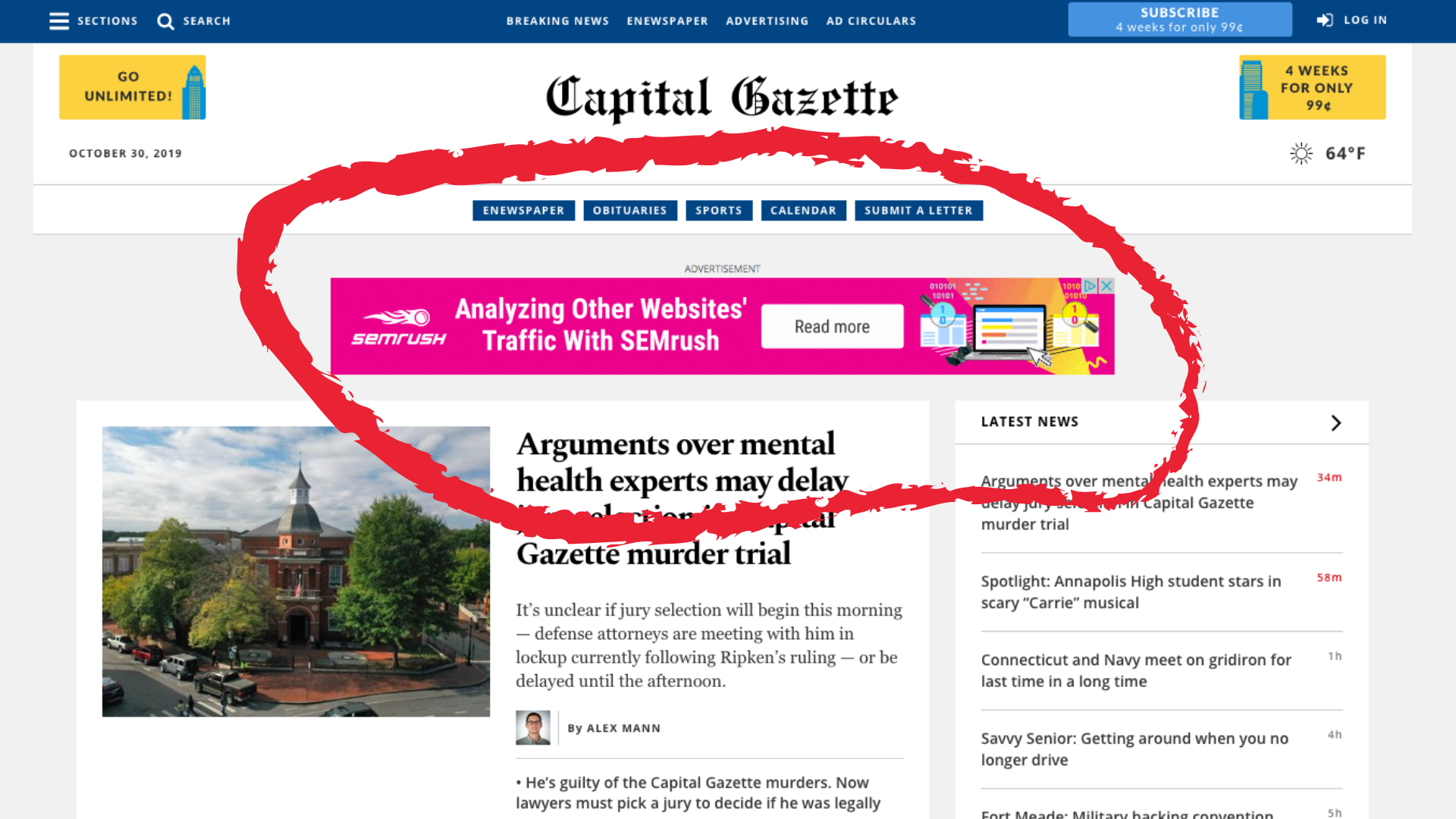
Display ads are visual banner ads shown across websites in Google’s partner network.
Unlike search ads, display ads do not rely on active search queries.
They rely on:
-
Audience interests
-
Demographics
-
Website behavior
-
Retargeting lists
Strategic Purpose
Display is used to:
-
Build brand awareness
-
Reinforce brand recall
-
Retarget website visitors
-
Stay top-of-mind
Most users do not convert on first visit.
Display helps nurture them.
When to Use Display
-
Launching new brands
-
Retargeting cart abandoners
-
Promoting offers
-
Scaling brand presence
Display advertising is about demand creation and reinforcement.
3. Shopping Ads – E-commerce Revenue Driver
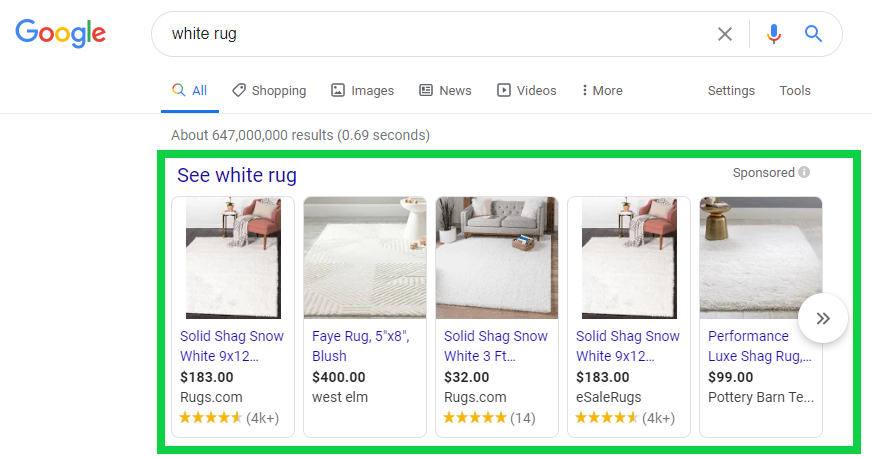
-
Product image
-
Price
-
Ratings
-
Store name
They appear when users search for specific products.
Example:
“Buy Nike running shoes online”
Why Shopping Ads Convert Well
They pre-qualify buyers before the click.
The user already sees:
-
The product
-
The price
-
Reviews
That means fewer unqualified clicks.
Best For
-
E-commerce brands
-
Retail stores
-
D2C brands
-
Online marketplaces
Shopping campaigns focus on direct transactional revenue.
4. Video Ads – Trust & Education Engine

Video ads run primarily on YouTube.
They can appear:
-
Before videos
-
During videos
-
In search results
-
In suggested feeds
Strategic Benefits
Video builds:
-
Emotional connection
-
Authority
-
Product understanding
-
Brand credibility
Complex products convert faster when explained visually.
Ideal For
-
Course creators
-
SaaS platforms
-
Personal brands
-
Product demonstrations
-
Funnel building
Video ads are about education and trust acceleration.
5. Performance Max – The Scaling Engine
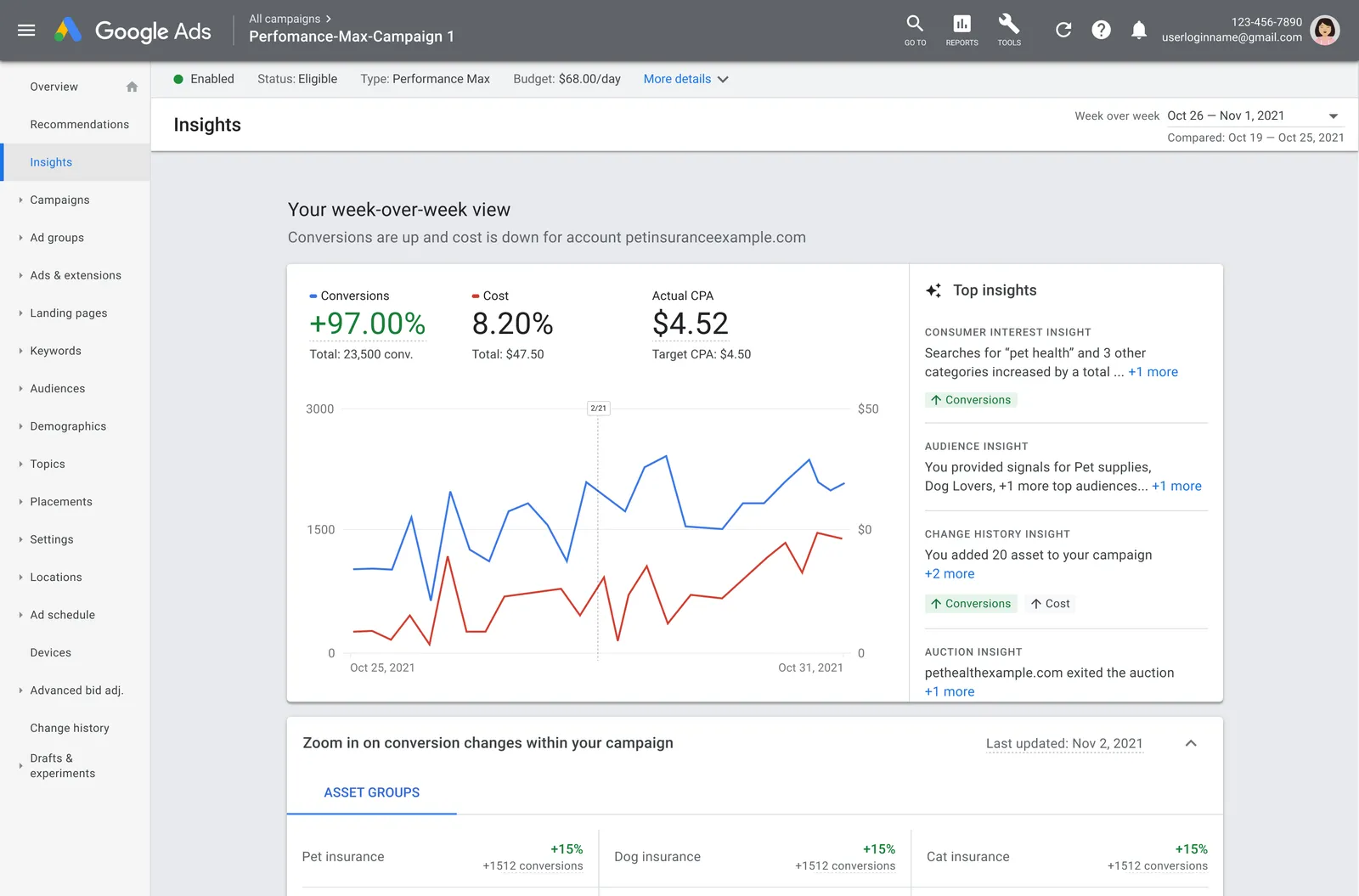
Performance Max campaigns distribute ads across:
-
Search
-
Display
-
YouTube
-
Gmail
-
Maps
Using AI automation inside Google Ads.
When to Use Performance Max
Only when:
-
Conversion tracking is accurate
-
You already have conversion data
-
You want to scale
Automation amplifies existing data.
Without data, automation wastes budget.
Performance Max is best used as a scaling layer, not a starting point.
Part 2: The Strategic PPC Campaign Architecture
Traffic without structure leads to wasted spend.
Professional PPC follows a defined hierarchy.
1. Account Structure (Foundation Layer)
A strong account structure follows this format:
Campaign Level – Objective-Based
Each campaign should focus on one goal:
-
Lead Generation
-
Sales
-
Brand Awareness
-
Remarketing
Mixing objectives reduces clarity.
Ad Group Level – Keyword Segmentation
Each ad group should contain:
-
Closely related keywords
-
Matching ad copy
-
Specific landing pages
Example:
Campaign: Lead Generation
Ad Group 1: “SEO Services Delhi”
Ad Group 2: “PPC Agency Delhi”
Ad Group 3: “Social Media Marketing Delhi”
Tightly themed ad groups improve:
-
Relevance
-
Quality Score
-
Click-through rate
-
Conversion rate
Structure increases efficiency.
2. Intent-Based Keyword Segmentation
Not all keywords convert equally.
They fall into three levels:
Informational (Low Intent)
Example:
“What is digital marketing?”
Good for awareness and remarketing.
Consideration (Medium Intent)
Example:
“Best digital marketing agency”
User is comparing options.
Transactional (High Intent)
Example:
“Hire digital marketing agency in Delhi”
User is ready to act.
Strategic Budget Allocation
High-performance campaigns allocate:
-
60–80% to transactional keywords
-
20–30% to consideration
-
10% to informational
Intent drives profitability.
3. Landing Page Alignment (Conversion Layer)
The landing page must match:
-
The keyword searched
-
The ad promise
-
The user’s expectation
If alignment breaks, performance drops.
A Strong Landing Page Includes:
-
Headline matching the keyword
-
Clear value proposition
-
Benefits (not just features)
-
Testimonials
-
Social proof
-
Trust signals
-
Strong call-to-action
-
Mobile optimization
Paid traffic is impatient.
Clarity converts.
Case Study: Scaling an E-Commerce Brand with Strategic PPC Execution
Industry: E-Commerce (Consumer Products)
An e-commerce brand selling mid-priced consumer products wanted to increase online sales while maintaining profitability. The business had been running paid ads for several months but faced inconsistent results.
Initial Challenges
-
High cost per click
-
Low conversion rate
-
Poor return on ad spend (ROAS)
-
Heavy reliance on broad targeting
-
No structured retargeting funnel
Although traffic volume was strong, profitability was weak. The issue was not traffic — it was intent quality and campaign structure.
Strategic Approach
Instead of increasing budget, the brand restructured its PPC strategy around intent segmentation and funnel optimization.
1. Keyword & Audience Refinement
The team divided traffic into three categories:
-
High-intent search terms (e.g., “buy [product name] online”)
-
Consideration-level queries (e.g., “best [product category] under ₹5000”)
-
Broad awareness terms
Budget was shifted heavily toward high-intent keywords and product-specific searches.
Low-performing broad keywords were reduced or removed.
2. Shopping Campaign Optimization
Product feeds were optimized by improving:
-
Product titles
-
Descriptions
-
Category accuracy
-
High-quality images
This improved ad relevance and increased click-through rates.
3. Landing Page Alignment
Instead of sending traffic to the homepage, users were directed to:
-
Specific product pages
-
Optimized category pages
-
Dedicated promotional landing pages
Clear call-to-actions and faster loading speed improved conversion rates.
4. Retargeting Funnel Implementation
A structured remarketing strategy was introduced:
-
Website visitors
-
Cart abandoners
-
Product viewers
Dynamic ads were shown featuring the exact products users previously viewed.
This significantly improved conversion efficiency.
Results After 90 Days
After restructuring the campaigns:
-
Cost per acquisition decreased by approximately 25–35%
-
Return on ad spend improved significantly
-
Conversion rates increased due to better landing page alignment
-
Retargeting campaigns delivered the highest ROI among all ad groups
The key insight?
The brand did not increase spend dramatically.
It improved targeting precision and intent alignment.
Strategic Takeaway
In e-commerce PPC, success is rarely about generating more clicks.
It is about:
-
Targeting high-purchase-intent queries
-
Structuring campaigns by buyer stage
-
Aligning ads with relevant product pages
-
Leveraging retargeting to capture delayed buyers
When PPC campaigns are built around qualified intent rather than traffic volume, scalability becomes predictable.
This case demonstrates a fundamental principle:
Profitability improves when campaign structure aligns with buyer intent and conversion optimization — not when budgets simply increase.